

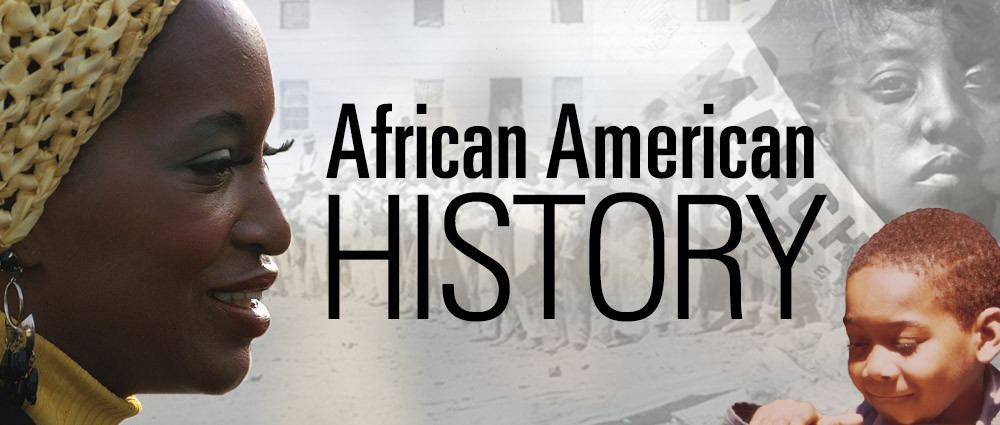
“Preserving African American History: Archives, Oral History, and Community Memory.”
African American history has been preserved through many forms of documentation, including archival collections, oral histories, photographs, sound recordings, family records, community archives, and digital collections. Together, these resources help preserve voices, experiences, and cultural traditions that may be underrepresented in traditional historical records.
This annotated bibliography brings together print and digital resources that explore how African American history and memory are documented, preserved, and made accessible. The selected resources highlight the roles of individuals, families, communities, libraries, archives, museums, and digital initiatives in protecting historical evidence and cultural heritage. Collectively, they demonstrate that preserving African American history involves not only safeguarding records from the past but also ensuring that the voices and experiences represented within those records remain accessible to present and future generations.
Bastian, Jeannette A., & Alexander, Ben
Bastian, J. A., & Alexander, B. (Eds.). (2009). Community archives: The Shaping of Memory. Facet.
Jeannette A. Bastian and Ben Alexander bring together scholarship examining the relationships between communities and the records they create and preserve. The collection explores how records contribute to community identity and collective memory while addressing practical issues such as documenting communities, nontraditional recordkeeping, records loss and recovery, technology, virtual communities, and the development of community archives. This resource is valuable because it demonstrates that archival preservation extends beyond traditional institutional collections and involves communities in documenting their own experiences and identities. It provides an important framework for understanding how community-created records contribute to the historical record and how archivists can approach their preservation. For the study of African American history and community memory, these concepts help explain why community participation is essential to preserving experiences that may be underrepresented in traditional archives.
Format: Print book
Access: WorldCat record — https://search.worldcat.org/title/432408660
Beck, Jane C.
Beck, J. C. (2015). Daisy Turner’s Kin: An African American Family Saga. University of Illinois Press.
Jane C. Beck uses oral history and historical research to preserve the multigenerational story of Daisy Turner's African American family. Beginning in 1983, Beck interviewed Turner, then 100, whose stories spanned four generations. The narratives trace family memory from Yoruba ancestry in West Africa through enslavement, emancipation, racism, and life in Vermont. Beck also examines memory's strengths and limitations as a source of historical knowledge. This book is valuable to the study of African American history because it demonstrates how oral histories can preserve experiences that might otherwise be absent from traditional written records. It also illustrates the importance of family storytelling and memory in documenting African American heritage across generations.
Format: Print book
Access: WorldCat record- https://search.worldcat.org/title/893454392
Berry, Dorothy J.
Berry, D. J. (2025). The House Archives Built & Other Thoughts on Black Archival Possibility. We Here Press.
Dorothy J. Berry examines the role archives play in shaping how history is collected, preserved, and understood, with particular attention to Black archival experiences and possibilities. Drawing on conversations from professional conferences, webinars, reading rooms, and other archival spaces, Berry considers how collecting practices within cultural heritage institutions have sometimes produced incomplete representations of history. She also highlights the often-unseen labor and theory that support archival work. This resource is valuable because it connects the preservation of Black history with professional archival practice and encourages consideration of whose experiences are represented in historical collections. By imagining archival futures both within and beyond traditional institutions, the book demonstrates how archivists and communities can contribute to more inclusive and representative historical records.
Format: Print book
Access: WorldCat record-https://search.worldcat.org/title/1547692412
Boehm, Lisa Krissoff
Boehm, L. K. (2009). Making a Way Out of No Way: African American Women and the Second Great Migration. University Press of Mississippi.
Lisa Krissoff Boehm uses oral histories to document the experiences of African American women and their families during the Second Great Migration. Over seven years, Boehm collected interviews with women migrants and their children, groups whose experiences have often received limited attention in historical accounts of the migration. She also incorporated existing oral histories preserved in archival collections. Through extended excerpts from these interviews and scholarly analysis, the book shows how personal testimony can illuminate African American women's experiences that traditional written records may not fully represent. This resource is valuable because it illustrates how oral history and archival collections work together to preserve individual and community memory while expanding the historical record to include voices that might otherwise be overlooked.
Format: Print book
Access: WorldCat record — https://search.worldcat.org/title/243601834
Brown, Bree'ya Nadia
Brown, B. N. (2020). The Peculiarities of Community Archives: Exploring the Documentation of History and Memory through Digital Archives and Social Media [Thesis or dissertation]—University of Texas.
Bree'ya Nadia Brown examines how community-based archives use digital archives and social media to document the histories and memories of underrepresented and historically marginalized communities. The study analyzes three community archives: the ATX Barrio Archive, the Black Lesbian Archive, and the Texas After Violence Project. Brown considers how these archives use digital platforms to increase visibility, engage communities, and preserve records concerning experiences such as gentrification, erasure, violence, identity, everyday life, and memory. This resource is valuable because it demonstrates how communities can participate directly in documenting and preserving their own histories rather than relying exclusively on traditional archival institutions. It also introduces post-custodial approaches to archival practice. It illustrates how digital technology can support community engagement, representation, and the preservation of experiences that might otherwise be overlooked in the historical record.
Format: Digital thesis/dissertation
Access: WorldCat record— https://search.worldcat.org/title/1438568953
Cherlise, Renata
Cherlise, R. (2023). Black Archives: A Photographic Celebration of Black Life. Ten Speed Press.
Renata Cherlise draws upon archival photography to preserve and celebrate everyday Black life across generations. Inspired by her family's tradition of documenting their lives through photographs and home movies, Cherlise created Black Archives as a space to share images that portray Black people, families, communities, and cultural experiences beyond traditional historical narratives. The book contains more than three hundred photographs depicting family gatherings, churches, schools, holidays, vacations, and ordinary moments of daily life. This resource is valuable because it demonstrates how family photographs can function as historical records and contribute to collective memory. It also illustrates the importance of community participation in preserving African American experiences. It shows how visual archives can protect stories of identity, kinship, culture, joy, and everyday life for future generations.
Format: Print book
Access: WorldCat record — https://search.worldcat.org/title/1317839864
Crain, Laura, Indiana University Bloomington Archives of African American Music and Culture, & Indiana University Bloomington Department of Afro-American Studies
Crain, L., Indiana University Bloomington Archives of African American Music and Culture, & Indiana University Bloomington Department of Afro-American Studies. (1996). Archives of African American Music and Culture. Indiana University Bloomington.
The Archives of African American Music and Culture provides a searchable database of archival holdings related to African American musical and cultural traditions. Its collections include sound recordings, videocassettes, musical scores, photographs, and oral histories, along with links to additional online resources on African American music and culture. This resource is valuable because it shows how archives can preserve cultural memory through multiple formats, not just written documents. Music, recorded voices, photographs, and audiovisual materials can document artistic expression while preserving information about the people and communities that created and experienced it. The archive expands the study of African American history by showing how musical heritage and cultural expression can be collected, preserved, described, and made available for research and education.
Format: Digital archival database/computer resource
Access: WorldCat record — https://search.worldcat.org/title/34494979
Denker, Susan
Denker, S. (2020). African American Visual Artists Database.
The African American Visual Artists Database provides free public access to information documenting the historical and continuing contributions of artists of African descent to the visual arts. Artist records may include biographical information, bibliographies, exhibition histories, and information about works held in public collections. This resource is valuable because it shows how digital databases can preserve and organize information about African American artistic achievement while making it accessible to researchers, students, educators, and the public. By documenting individual artists and linking their work to exhibitions, scholarship, and collecting institutions, the database helps preserve African American cultural memory. It also expands archival preservation beyond traditional manuscripts and oral histories by showing how structured digital resources can document creative expression and help maintain a lasting record of African American visual heritage.
Format: Digital database/website
Access: WorldCat record— https://search.worldcat.org/title/1241255837
Du Bois, W. E. B., Askew, Thomas E., Atlanta University, & Exposition Universelle
Du Bois, W. E. B., Askew, T. E., Atlanta University, & Exposition Universelle. (2010). African American Photographs Assembled for 1900 Paris Exposition—Library of Congress.
This Library of Congress digital collection preserves materials from W. E. B. Du Bois's The Exhibit of American Negroes, presented at the 1900 Paris Exposition. The collection includes approximately 220 photographs depicting African American business enterprises, social life, education, and other aspects of everyday experience. It also contains hand-drawn and watercolor charts, tables, and maps documenting subjects such as population, migration, education, literacy, property ownership, occupations, income, religion, newspapers, and higher education. This resource is valuable because it preserves visual and statistical evidence of African American life at the beginning of the twentieth century. By bringing photographs and historical data together in a digital collection, the resource shows how archives can preserve both personal and community experiences while giving researchers multiple forms of evidence for interpreting African American history.
Format: Digital photographic collection/website
Access: WorldCat record— https://search.worldcat.org/title/1292474850
Elmer L. Andersen Library
Elmer L. Andersen Library. (2014). Umbra: Search African American history—University of Minnesota.
Umbra: Search African American History is a digital library that brings together resources documenting African American history and cultural life from archives, libraries, museums, and other repositories throughout the United States. The collection provides descriptive information and access to a variety of materials, including photographs, manuscripts, documents, books, sound files, and video files. This resource is valuable because it shows how digital libraries can bring together historical materials physically dispersed across institutions. By providing a centralized way to discover these resources, Umbra increases access to records documenting African American experiences and cultural heritage. The collection's variety of formats also shows how photographs, written documents, sound recordings, and audiovisual materials can work together to preserve a broader, more inclusive historical record.
Format: Digital library/website
Access: WorldCat record- https://search.worldcat.org/title/950572745
King, Timmia
King, T. (2021). Strategies and Approaches for Building an African American Digital Archive [Thesis]. Indiana University.
Timmia King examines the long tradition of African Americans preserving their histories through archival projects and connects African American Studies with Library Science to explore the importance of community archives. King develops a model of an African American community archive using a collection centered on African American barbers and hairdressers in Monroe County. She also proposes a framework for creating digital community archives based on four principles: Cultural Sensitivity, Participation, Empowerment, and Sankofa. This resource is valuable because it shows how digital archives can give African American communities spaces to preserve their own histories while encouraging participation and empowerment. It also illustrates how culturally responsive archival practices can help preserve community memory and create more representative historical records.
Format: Digital thesis
Access: WorldCat record— https://search.worldcat.org/title/1342785428
Library of Congress
Library of Congress. (2009). Civil Rights History Project.
The Library of Congress's Civil Rights History Project preserves video-recorded oral histories with individuals who participated in the civil rights movement. Interviewees represent a wide range of occupations and experiences, including lawyers, doctors, farmers, journalists, professors, musicians, and local activists. Their recollections address major events such as the Freedom Rides, the March on Washington, the Selma to Montgomery March, sit-ins, and voter registration drives, while also documenting activism in communities that may receive less attention in traditional historical accounts. This resource is valuable because it preserves firsthand voices and personal memories that deepen understanding of the civil rights movement. By making these oral histories digitally accessible, the project demonstrates
how archives can preserve individual experiences while contributing to the broader collective memory of African American history.
Format: Digital oral history collection/website
Access: WorldCat record— https://search.worldcat.org/title/893620501
Library of Congress National Digital Library Program
Library of Congress National Digital Library Program. (2004). Voices From the Days of Slavery: Formerly enslaved people tell their stories—Library of Congress.
Voices from the Days of Slavery: Formerly enslaved people Tell Their Stories is a Library of Congress digital collection preserving recorded interviews with twenty-three people who experienced slavery. Conducted between 1932 and 1975, the interviews capture recollections of slavery, slaveholders, family life, coercion, freedom, and African American life after emancipation. The collection provides access to the recordings along with transcriptions and related historical information. This resource is valuable because it preserves the voices and personal memories of individuals whose firsthand experiences provide perspectives that written historical records alone cannot fully convey. It also shows the importance of oral history in preserving African American memory while reminding researchers to consider the time between historical experiences and later recollection. By digitally preserving both voices and transcripts, the collection makes these firsthand accounts accessible to future generations.
Format: Digital oral history/audio collection
Access: WorldCat record- https://search.worldcat.org/title/54471580
National Museum of African American History and Culture
National Museum of African American History and Culture. (2007). NMAAHC: Smithsonian National Museum of African American History and Culture.
The National Museum of African American History and Culture website provides digital resources to preserve and share African American history and culture. The WorldCat record describes online exhibits, historical and cultural resources, and a memory book containing visitor-submitted memories, family photographs, and oral traditions. This resource is valuable because it demonstrates how a cultural institution can combine traditional historical resources with materials contributed by individuals and families. Personal memories, photographs, and oral traditions can preserve experiences that may not appear in formal historical records while strengthening connections between family history and collective memory. The website supports the study of African American history by showing how digital platforms can broaden access to cultural heritage and create opportunities for communities to preserve and share their own histories.
Format: Website/digital cultural heritage resource
Access: WorldCat record- https://search.worldcat.org/title/227795321
Parks, Rosa, & Williams, Aubrey Willis
Parks, R., & Williams, A. W. (2016). Rosa Parks Papers at The Library of Congress [Archival collection].
The Rosa Parks Papers at the Library of Congress preserve a wide range of materials documenting Rosa Parks's personal life and civil rights activism. The collection includes correspondence, memoranda, oral history interviews, writings, notes, family and financial papers, calendars, programs, photographs, and other historical materials. The records document events surrounding “Parks’s 1955 arrest” and the Montgomery Bus Boycott, as well as her later work, participation in civil rights activities, and efforts to promote youth development and civil rights education. This resource is valuable because it demonstrates how an individual's archival papers can preserve multiple dimensions of African American history. By bringing together personal records, photographs, organizational materials, and oral testimony, the collection provides evidence of both individual experience and broader historical events while illustrating the importance of preserving personal papers as part of collective memory.
Format: Digital archival collection/archival material
Access: WorldCat record— https://search.worldcat.org/title/1049424116
Randall, Herbert
Randall, H. (2016). The HistoryMakers Video Oral History with Herbert Randall [Video oral history]. The HistoryMakers.
This video oral history preserves the experiences of photographer Herbert Randall, who documented the Civil Rights Movement in Hattiesburg, Mississippi, during the summer of 1964. Randall's recollections provide a personal perspective on his work as a photographer and his connection to Mississippi's civil rights history. His legacy also extends beyond the interview: in 1999, Randall donated his photographic archives to the University of Southern Mississippi, helping preserve the visual record he created. This resource is valuable because it demonstrates how oral history, photography, and archival preservation can work together to document African American experiences. Randall's recorded testimony adds personal context to the historical photographs he created, illustrating how different forms of evidence can complement one another in preserving individual experiences and collective memory.
Format: Online video/oral history
Access: WorldCat record— https://search.worldcat.org/title/998758760
Stone, Jonathan W.
Stone, J. W. (2021). Listening to the Lomax archive: The Sonic Rhetorics of African American Folksong in the 1930s. University of Michigan Press.
Jonathan W. Stone examines field recordings John and Alan Lomax made in the 1930s, including African American folksongs recorded in southern prisons and the oral history of jazz musician Jelly Roll Morton. Stone explores how recorded music and oral testimony communicate historical experiences while also shaping interpretations of African American identity and American culture. The book is valuable for studying African American history because it demonstrates how archival sound recordings can preserve voices, music, and experiences that written documents alone cannot fully capture. It also encourages readers to consider how people collect, interpret, and remember historical recordings. This resource strengthens an understanding of archives as repositories not only of documents but also of sound, oral history, and cultural memory.
Format: Print book
Access: WorldCat record— https://search.worldcat.org/title/1228008218
University of Southern Mississippi
University of Southern Mississippi. (2000). Civil Rights in Mississippi Digital Archive. USM Libraries.
The Civil Rights in Mississippi Digital Archive, created by the University of Southern Mississippi, preserves digital resources documenting the civil rights movement in Mississippi. The collection includes digitized oral histories, descriptions of civil rights manuscript collections held by the university, information about the civil rights movement in Hattiesburg, and connections to additional historical resources. This archive is valuable because it brings together oral testimony and archival materials that document the experiences of individuals and communities involved in Mississippi's civil rights history. It demonstrates how academic libraries can use digital preservation to increase access to historical records while protecting community memory. The collection also provides researchers with firsthand accounts and archival resources that deepen understanding of African American history in Mississippi.
Format: Digital archive/electronic resource
Access: WorldCat record— https://search.worldcat.org/title/45271444
“Preserving African American History: Archives, Oral History, and Community Memory.”
- Bastian, J. A., & Alexander, B. (Eds.). (2009). Community archives: The shaping of memory.
- Beck, J. C. (2015). Daisy Turner’s kin: An African American family saga.
- Berry, D. J. (2025). The house archives built & other thoughts on Black archival possibility.
- Boehm, L. K. (2009). Making a way out of no way: African American women and the Second Great Migration.
- Brown, B. N. (2020). The peculiarities of community archives: Exploring the documentation of history and memory through digital archives and social media.
- Cherlise, R. (2023). Black archives: A photographic celebration of Black life.
- Crain, L., Indiana University Bloomington Archives of African American Music and Culture, & Indiana University Bloomington Department of Afro-American Studies. (1996). Archives of African American music and culture.
- Denker, S. (2020). African American visual artists database.
- Du Bois, W. E. B., Askew, T. E., Atlanta University, & Exposition Universelle. (2010). African American photographs assembled for 1900 Paris Exposition.
- Elmer L. Andersen Library. (2014). Umbra: Search African American history.
- King, T. (2021). Strategies and approaches for building an African American digital archive.
- Library of Congress. (2009). Civil Rights History Project.
- Library of Congress National Digital Library Program. (2004). Voices from the days of slavery: Formerly enslaved people tell their stories.
- National Museum of African American History and Culture. (2007). NMAAHC: Smithsonian National Museum of African American History and Culture.
- Parks, R., & Williams, A. W. (2016). Rosa Parks papers, Library of Congress.
- Randall, H. (2016). The History Makers video oral history with Herbert Randall.
- Stone, J. W. (2021). Listening to the Lomax archive: The sonic rhetorics of African American folksong in the 1930s.
- University of Southern Mississippi. (2000). Civil Rights in Mississippi Digital Archive.

Bastian, J. A., & Alexander, B. (Eds.). (2009). Community archives: The shaping of memory. Facet.
WorldCat record — https://search.worldcat.org/title/432408660

Beck, J. C. (2015). Daisy Turner’s Kin: An African American Family Saga. University of Illinois Press
WorldCat record — https://search.worldcat.org/title/893454392


Boehm, L. K. (2009). Making a way out of no way: African American women and the Second Great Migration. University Press of Mississippi
WorldCat record — https://search.worldcat.org/title/243601834
“Preserving African American History: Archives, Oral History, and Community Memory.”

Brown, B. N. (2020). The peculiarities of community archives: Exploring the documentation of history and memory through digital archives and social media [Thesis or dissertation]—University of Texas
WorldCat record — https://search.worldcat.org/title/1438568953

Cherlise, R. (2023). Black Archives: A Photographic Celebration of Black Life. Ten Speed Press
: WorldCat record — https://search.worldcat.org/title/1317839864

Crain, L., Indiana University Bloomington Archives of African American Music and Culture, & Indiana University Bloomington Department of Afro-American Studies. (1996). Archives of African American music and culture. Indiana University Bloomington.
WorldCat record — https://search.worldcat.org/title/34494979

Denker, S. (2020). African American visual artists database.
WorldCat record — https://search.worldcat.org/title/1241255837
“Preserving African American History: Archives, Oral History, and Community Memory.”

Du Bois, W. E. B., Askew, T. E., Atlanta University, & Exposition Universelle. (2010). African American photographs assembled for the 1900 Paris Exposition—Library of Congress
WorldCat record — https://search.worldcat.org/title/1292474850

Elmer L. Andersen Library. (2014). Umbra: Search African American History—University of Minnesota
: WorldCat record — https://search.worldcat.org/title/950572745

King, T. (2021). Strategies and approaches for building an African American digital archive [Master’s thesis, Indiana University]. ProQuest Dissertations Publishing.
WorldCat open-access record — https://search.worldcat.org/title/1342785428

Library of Congress. (2009). Civil Rights History Project.
WorldCat record — https://search.worldcat.org/title/893620501
“Preserving African American History: Archives, Oral History, and Community Memory.”

Library of Congress National Digital Library Program. (2004). Voices from the Days of Slavery: Formerly enslaved people Tell Their Stories—Library of Congress.
WorldCat record — https://search.worldcat.org/title/54471580

National Museum of African American History and Culture. (2007). NMAAHC: Smithsonian National Museum of African American History and Culture.
WorldCat record — https://search.worldcat.org/title/227795321

Parks, R., & Williams, A. W. (2016). Rosa Parks papers at the Library of Congress [Archival collection].
WorldCat record — https://search.worldcat.org/title/1049424116

Randall, H. (2016). The History Makers video oral history with Herbert Randall [Video oral history]. The History Makers
WorldCat record — https://search.worldcat.org/title/998758760
“Preserving African American History: Archives, Oral History, and Community Memory.”

Stone, J. W. (2021). Listening to the Lomax archive: The sonic rhetorics of African American folksong in the 1930s. University of Michigan Press.
WorldCat record — https://search.worldcat.org/title/1228008218

The Civil Rights in Mississippi Digital Archive, created by the University of Southern Mississippi.
WorldCat record — https://search.worldcat.org/title/45271444

Since the origins of the field in the late 19th century, scholars have devised more than one definition of what constitutes African American history.

Create Your Own Website With Webador